
There’s something timeless and sturdy about brick homes, those warm, textured walls that have stood the test of time and weather. But even the toughest bricks aren’t immune to the wear and tear of daily life.
If you’re a homeowner, knowing when your brickwork needs attention can save you from costly repairs down the road.
Today, let’s walk through some clear signs that your bricks might be calling out for repair.
Keeping an eye on your brick exterior doesn’t have to be a chore. A little awareness can go a long way in preserving your home’s beauty and structural integrity.
Signs Your Brick Needs Repair: A Homeowner’s Checklist
1. Cracks in the Bricks or Mortar
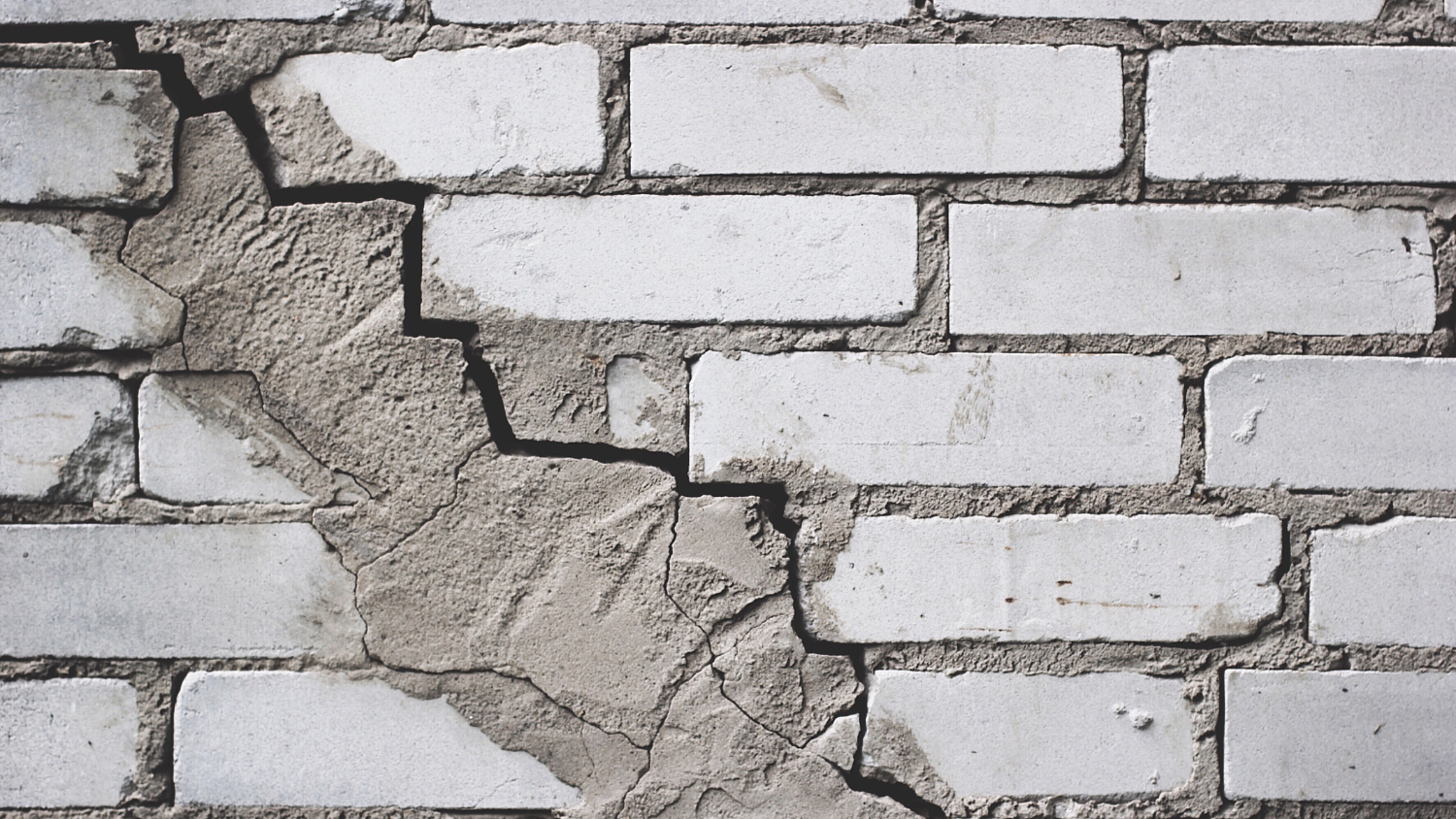
One of the most obvious warning signs is cracking. Look closely at individual bricks and the mortar joints between them.
Hairline cracks might seem minor, but wider cracks, especially those that grow over time, can signal underlying issues such as foundation settling or moisture damage.
2. Loose or Missing Mortar
Mortar acts like the glue that holds your bricks together, so when it begins to crumble or fall away, your wall’s strength is compromised.
If you notice patches where mortar is missing or crumbling, it’s time to consider tuckpointing, a repair technique that replaces damaged mortar to restore stability.
3. Spalling Bricks
Spalling happens when the surface of the brick flakes, peels, or chips off. This is often caused by water infiltration and freeze-thaw cycles.
If your bricks are starting to look rough and powdery, or bits are breaking off easily, it’s a red flag that moisture is getting in and damaging the brick itself.
4. Efflorescence: White Powdery Deposits
Sometimes, bricks develop a chalky white residue on their surface.
This is called efflorescence and is caused by salts being drawn out of the brick or mortar when moisture evaporates.
While it might look harmless, it indicates excess moisture, which could lead to more serious problems if left unchecked.
You should also read: Is It Time to Repair or Replace Your Brickwork?
5. Bulging or Bowing Walls
If your brick wall is starting to bulge or bow outward, it’s a serious structural concern.
This can be caused by water damage, poor construction, or foundation movement.
Such deformation isn’t just an eyesore, it threatens the safety of your home and requires prompt professional assessment.
6. Water Damage and Stains
Look for dark stains, damp spots, or mildew on your bricks. These can signal water penetration, which over time can weaken both bricks and mortar.
Proper sealing and repairs can help prevent water from seeping into your walls.
7. Crumbling or Loose Bricks
When bricks themselves become soft, crumbly, or start to come loose, the damage has progressed beyond the mortar. These bricks often need to be replaced to maintain the wall’s integrity.
Regularly inspecting your brickwork, especially after harsh weather, can help you spot these signs early.
It’s always a good idea to consult a professional Virginia General Contractor like USA Handyman Services if you notice any of these issues.
Early repairs are usually more affordable and less invasive than waiting until problems worsen.
Remember, your brick walls are not just a pretty face, they’re a crucial part of your home’s structure and weather protection.
Treat them with care, and they’ll keep standing strong for years to come.
Thanks for stopping by! Next week, we’ll dive into smart ways to maintain your home’s exterior for maximum curb appeal and durability. Until then, happy home caring!




0 Comments